
By Rebecca Sabot, Real Estate Agent
Copyright 2026 Rebecca Sabot. All rights reserved.
If you are moving to Bismarck, buying a home here, or just like knowing what is actually coming out of your faucet, this is one of those surprisingly useful local reports.
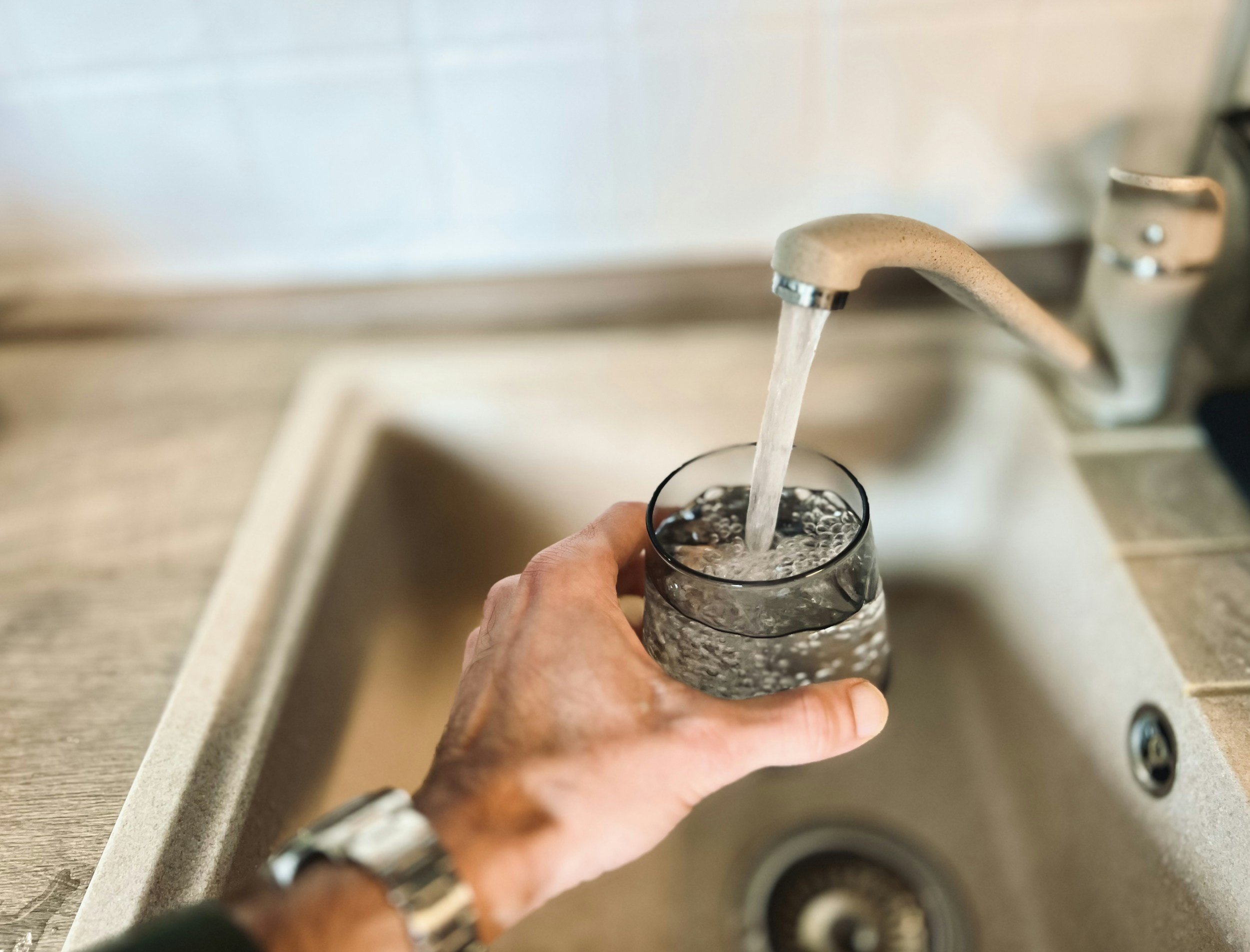
The good news: according to the City of Bismarck’s 2025 Annual Report on the Quality of Tap Water, Bismarck’s drinking water continued to meet all EPA and State standards for quality and safety in 2025. The report also says the city’s average daily water production was 10 million gallons, with much higher demand during the summer months.
That matters for homeowners for a few reasons. First, water quality is one of those quiet quality-of-life things people rarely think about until it becomes a problem. Second, if you are buying a home, especially an older one, understanding the city’s water system and service line information can help you ask smarter questions. And third, for anyone relocating to Bismarck, this is exactly the kind of local information that makes a place feel a little less unknown and a little more livable.
Bismarck’s water comes from a horizontal collector well next to the Missouri River south of the Memorial Bridge, with a direct river intake serving as backup. The city reports that its source water is considered moderately susceptible to potential contaminants, which is one reason regular testing and treatment matter so much.
The report includes a quick water profile that many homeowners will care about, especially if they notice mineral buildup, use water softeners, or are picky about taste. In 2025, Bismarck’s average total hardness was listed at 124 mg/l, or 7.3 grains per gallon. Average alkalinity was 67 mg/l, average pH was 9.15, and average fluoride was 0.71 mg/l.
The city also reported that none of the PFAS contaminants included in its first round of 2025 sampling were detected. That is a line a lot of people will be glad to read without needing a chemistry degree and a stress ball.
On the regulated contaminant side, the report says Bismarck’s water met EPA requirements. The highest reported compliance levels for key tested items remained below federal limits, and the city reported no violations in the table of regulated contaminants. Thirty residential sites were sampled for lead and thirty for copper, and no sites exceeded the action level for either.
That said, the lead section is worth paying attention to, especially if you own or are buying an older home. The report explains that lead in drinking water usually comes from service lines and plumbing materials inside the home, not just from the public water system. It also notes that Bismarck completed a service line inventory under the EPA’s Lead and Copper Rule Revision and that residents may have received notice about the material serving their property. The current inventory is available through the city.
For buyers, that means this is not just “city report” stuff. It is house stuff. If you are considering an older property in Bismarck, it may be worth asking about the service line material, past plumbing updates, filtration, and whether the line has been visually verified. Not because you need to panic. Just because smart beats surprised every time.
For current homeowners, the report gives practical guidance too. It recommends using only cold water for drinking, cooking, and making baby formula, and says flushing pipes for several minutes can help reduce exposure if lead is a concern. Boiling water does not remove lead.
Another interesting detail buried in the data table: Bismarck’s systemwide total trihalomethanes and haloacetic acids, which are byproducts of disinfection, were both reported below the maximum contaminant levels. That is the kind of thing most people never read unless they are already halfway into a late-night tap water rabbit hole. I went there for you. You are welcome.
So what is the takeaway?
Bismarck’s 2025 water report is reassuring overall. The city says the water met EPA and state standards, PFAS were not detected in initial sampling, and lead and copper residential sampling stayed below action levels.
If you are moving to Bismarck or buying a home here, this is one more sign that local infrastructure and reporting matter. And if you are shopping older homes, it is a good reminder that “the city water is fine” and “the plumbing in this specific house is ideal” are not always the exact same sentence.
I am a full time realtor, and I help buyers and sellers in Bismarck, Mandan, and surrounding areas look past the pretty kitchen and ask the practical questions too. If you are thinking about buying, selling, or relocating, reach out anytime.
Source: City of Bismarck 2025 Annual Report on the Quality of Tap Water.