
By Rebecca Sabot, Real Estate Agent
© Rebecca Sabot. All rights reserved.
Earth-sheltered (also called earth-berm or underground-style) homes are one of North Dakota’s best-kept real estate secrets. They’re not for everyone, but for the right buyer, they’re magic: efficient, quiet, comfortable, and built for our temperature swings.
And yes—North Dakota is a place where this style can make a ton of sense. The U.S. Department of Energy notes earth-sheltered homes tend to be more cost-effective in climates with big temperature extremes and relatively low humidity, specifically calling out the northern Great Plains as a strong fit. The Department of Energy's Energy.gov
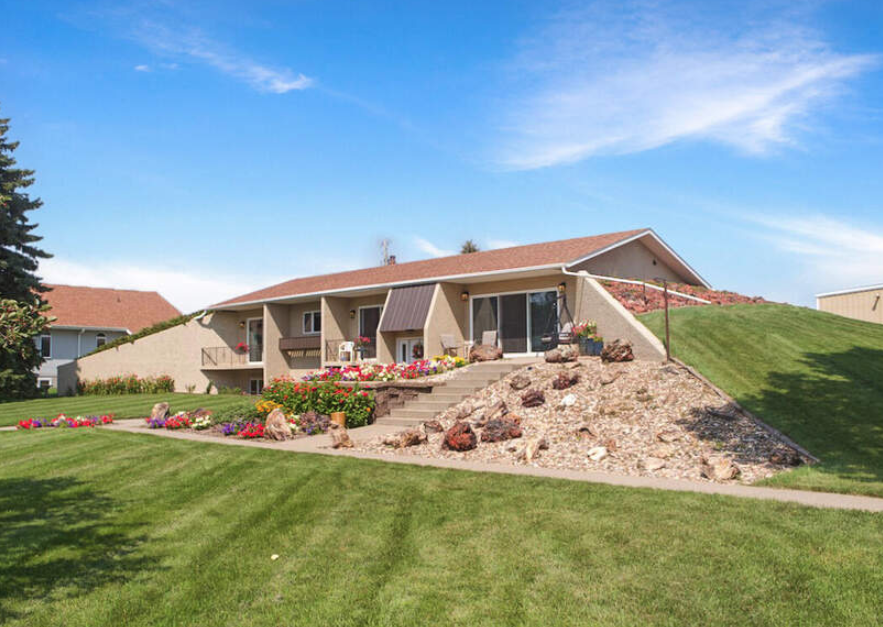
Below I’ll break down what makes these homes unique, the real pros/cons, and I’ll use my 210 Oak Ave listing in New Salem as a real-world example. ( https://search.findndhomes.com/t/3D5fa8 )
What Is an Earth-Sheltered Home?
An earth-sheltered home uses soil as insulation—either:
Earth-bermed: earth is banked against one or more walls, often with a more traditional-looking roofline, or
Fully underground: the structure is mostly below grade (less common here)
When designed well, the earth acts like a natural thermal buffer, helping keep indoor temps steadier year-round. The Department of Energy's Energy.gov
Why Earth-Sheltered Homes Can Be a Great Fit in North Dakota
North Dakota weather is not subtle. Earth-sheltered design basically says:
“Let’s use the planet as insulation instead of fighting it with a furnace 24/7.”
DOE specifically highlights that earth-sheltered homes can perform well in places like the northern Great Plains because the ground temperature is more stable than the air—helping the house hold warmth in winter and shed heat in summer. The Department of Energy's Energy.gov
A Real Example: My Earth-Berm Listing on Oak Ave in New Salem
This home is a great “see it to believe it” example of the style.
Snapshot (so you can picture it)
4 bedrooms | 4 bathrooms
2,268 sq ft
Built in 1982
0.73 acres
Style: Berm / Split Entry
Designed using a University of Minnesota floor plan tied to underground/earth-sheltered design research
What makes this one special
Earth-berm design + traditional roof (rare combo that feels both unique and “normal” at the same time)
Passive solar heat + natural insulation from the earth
Andersen triple-pane windows (2018) that help with efficiency and natural light
A main-level primary suite designed for comfort and practicality
Over 1,200 sq ft garage/shop with high ceilings—big hobby/gear energy
Laundry hookups on each level (because real life happens)
If you’ve ever wanted a home that’s efficient and interesting and doesn’t feel like a cookie-cutter box… this is exactly the lane.
Pros of Earth-Sheltered Homes (The “Why This Rocks” List)
1) Energy efficiency + comfort
Earth-sheltered homes can be comfortable, durable, and energy-efficient when designed and built correctly. The Department of Energy's Energy.gov
In ND, that can translate to fewer temperature swings and potentially lower heating/cooling demand.
2) Quiet interiors
Earth buffering = less outside noise. If you love peaceful living, this is a sneaky-big perk.
3) Great in wind-heavy regions
The profile and earth protection can reduce exposure. (Not “tornado-proof,” but typically less “house fighting for its life” during wind events.)
4) Unique architecture + conversation value
People remember these homes. In a market full of similar floor plans, distinctive design stands out—especially when it’s tied to research-driven planning like UMN’s underground/earth-sheltered work. Google Sites
Cons of Earth-Sheltered Homes (The “Be a Grownup About It” List)
1) Moisture management is non-negotiable
Waterproofing, grading, drainage, gutters—everything has to be right. Earth contact means water strategy matters more than trendy backsplash choices.
2) Natural light can be trickier
Good design solves a lot of this (window placement, sun angles, light wells), but it’s a common tradeoff.
3) Radon risk: test, don’t guess
Radon comes from the ground. It can build up in enclosed spaces, and North Dakota recognizes it as a serious issue. ND DEQ
EPA recommends fixing a home if radon tests show 4 pCi/L or higher (and even considering mitigation between 2–4). US EPA
Translation: radon testing is standard smart, and mitigation is very doable.
4) The “unique home” resale reality
These homes have passionate fans… and also buyers who don’t get it. Marketing matters more, and the buyer pool can be more specific.
5) Repairs can require the right specialists
Especially around drainage, concrete, waterproofing, window wells, or ventilation. Not impossible—just more specialized.
Buyer Checklist: What I Recommend You Look For
If you’re touring an earth-sheltered/earth-berm home in North Dakota, pay attention to:
Drainage + grading (where does water go?)
Roof condition and transitions where earth meets structure
Window wells / egress and how natural light is handled
Ventilation and humidity control
Radon testing history (and mitigation system details, if installed) US EPA
Utility bills (when available) and any efficiency upgrades (triple-pane windows are a real one)
Is an Earth-Sheltered Home Right for You?
This style is a great match if you:
want a more efficient, steady-feeling home in a harsh climate The Department of Energy's Energy.gov
like unique architecture and smart design
value quiet + privacy
want space for hobbies/vehicles (especially when paired with a serious shop/garage like this Oak Ave one)
And it might not be your thing if you:
want windows on every side of the home
don’t want to think about drainage or radon testing (which… you should anyway) US EPA
As a full time realtor, I love these homes because they’re not just “a house,” they’re a lifestyle choice—and buyers deserve someone who can explain the tradeoffs clearly.
Want to Tour One or Talk Through Value?
If you’re curious about earth-sheltered homes in North Dakota—or you want to see what makes my New Salem listing so special—reach out. I’ll give you the straight story and help you decide if it’s a smart move.