By Rebecca Sabot, Real Estate Agent
© Rebecca Sabot. All rights reserved.
WHAT COUNTS AS A “HOBBY FARM” TO A LENDER
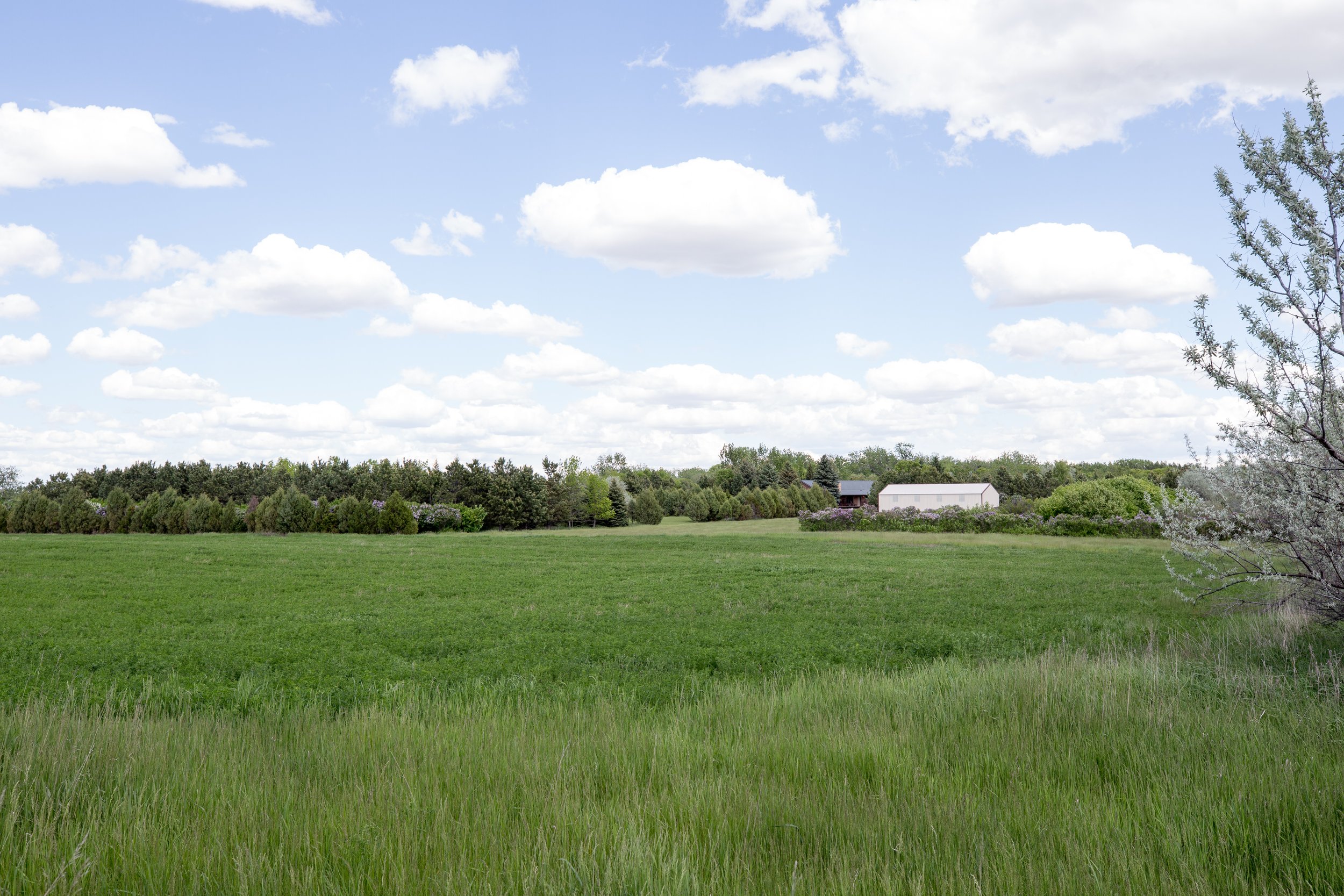
To most lenders, the big question is whether the property is primarily a residence or leaning into agricultural use. A home on a few acres with a shop and small barn can still qualify like a rural residential property—until acreage, outbuildings, condition, or income-producing use pushes it into a different bucket.
WHY THIS MATTERS: the loan program, appraisal approach, down payment expectations, and underwriting rules can change based on how the property fits.
COMMON FINANCING PATHS FOR NORTH DAKOTA ACREAGE PROPERTIES
CONVENTIONAL MORTGAGE
Often the simplest route if the home is the primary feature and the property meets lender guidelines for acreage and condition. This is common for “small acreage homes for sale in North Dakota” that function like a residence with land.
PORTFOLIO LOANS (LOCAL BANK “IN-HOUSE” FINANCING)
Some North Dakota banks hold the loan in-house, which can be more flexible on acreage size, outbuilding value, unique property features, and rural comps. Rates and terms vary—flexibility is the point, not uniformity.
USDA RURAL DEVELOPMENT (IF ELIGIBLE)
USDA programs can be an option for eligible buyers and eligible rural locations. These programs aren’t for everyone, but they can be worth exploring early if you’re buying outside city limits.
FARM-FOCUSED FINANCING (WHEN IT’S MORE THAN A HOBBY)
If you’re truly operating a farm or purchasing with a defined ag business purpose, farm-focused lending and programs may apply. The key is matching the financing to the real intended use, not the aesthetic of the listing photos.
WHAT IMPACTS APPROVAL AND TERMS MOST
ACREAGE AND “HIGHEST AND BEST USE”
The more land involved, the more underwriters want clarity that the property is still primarily residential (unless you’re using a farm program). “How many acres” isn’t just curiosity—it can impact loan eligibility.
OUTBUILDINGS DON’T ALWAYS APPRAISE LIKE YOU HOPE
Barns, shops, corrals, and bins can be valuable in real life, but appraisals don’t always give them dollar-for-dollar credit. The appraiser needs comparable sales that also had similar outbuildings—and those comps can be scarce in rural North Dakota markets.
WELL, SEPTIC, AND PROPERTY CONDITION
Unlike a city home, rural properties often rely on private well and septic. Underwriting may require specific inspections, water tests, or repairs depending on the loan type and the condition discovered.
ROAD ACCESS AND YEAR-ROUND LIVABILITY
If access is complicated (minimum maintenance roads, unusual easements, etc.), lenders may scrutinize it more. The property needs to be reasonably marketable and accessible year-round.
HOW TO MAKE THE FINANCING PROCESS EASIER
GET CLEAR ON INTENDED USE
Are you keeping a few chickens and a garden? Storing recreational toys? Keeping horses? Planning to sell hay? Different answers can change how the loan is viewed.
GATHER THE “RURAL PAPERWORK” EARLY
Ask for: well and septic details/records, utility provider info, outbuilding specs/permits if available, and any surveys or easements. The earlier you have this, the fewer last-minute surprises.
PREP FOR APPRAISAL REALITY
If your “dream shop” is your #1 reason to buy, great—just know it may not add as much appraised value as you feel it’s worth. That can affect loan-to-value and down payment needs.
WORK WITH LOCAL PROS WHO ACTUALLY SEE ACREAGES
Rural property is its own lane. As a full time realtor, I help buyers anticipate the financing and appraisal friction points that pop up with hobby farms and acreages—so the purchase doesn’t derail halfway through.
SUMMARY
Financing a hobby farm in North Dakota can be straightforward—or it can get complicated—depending on acreage, outbuildings, utilities, and intended use. The win is aligning the property with the right loan type early, setting appraisal expectations, and collecting rural-specific info upfront.