
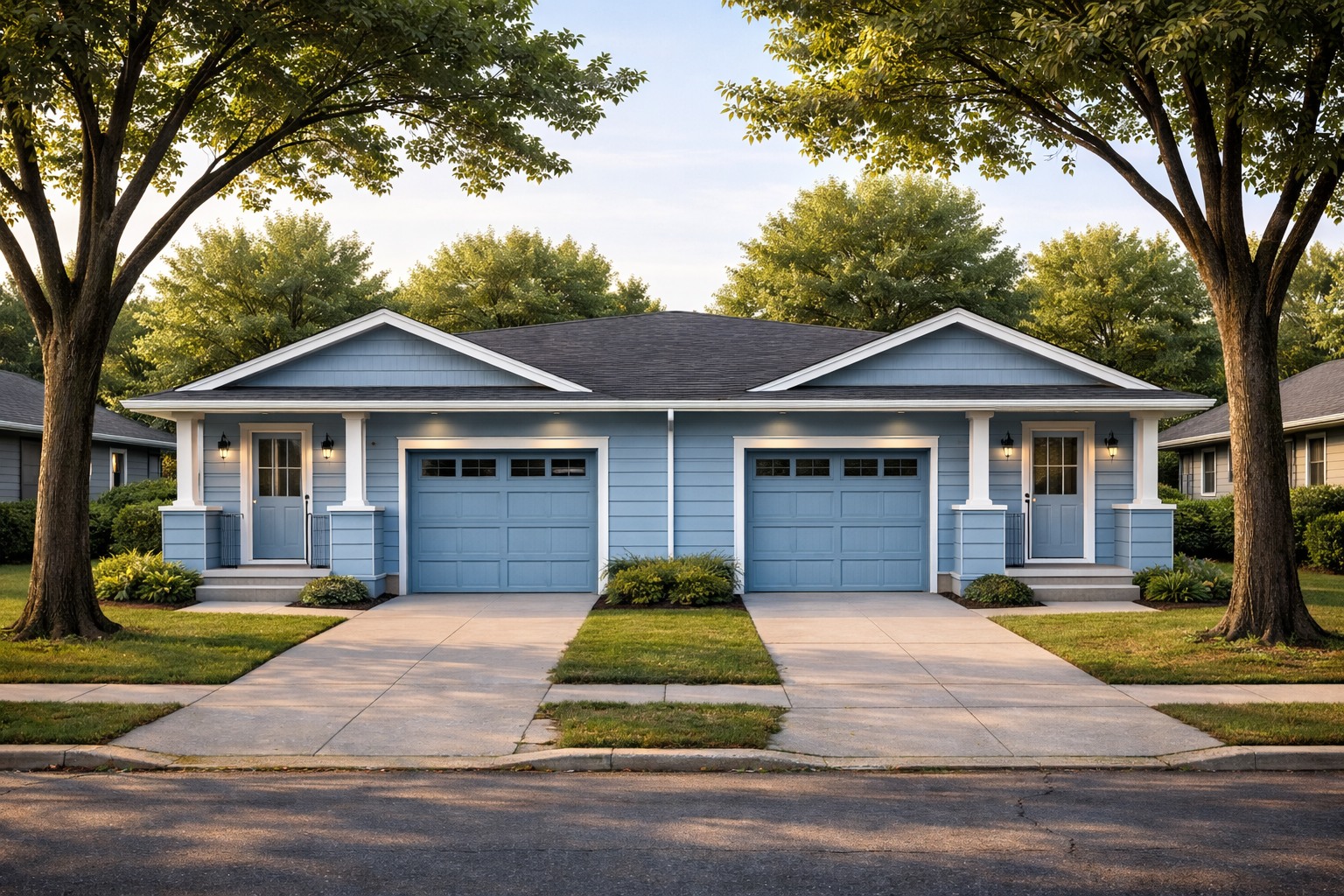
WOULD A DUPLEX BE A GOOD CHOICE?
Written by Rebecca Sabot
Real Estate Agent
© Rebecca Sabot. All rights reserved.
Buying a duplex or small multi-family home can be one of the smartest ways to enter real estate ownership — or one of the fastest ways to learn expensive lessons. The difference comes down to planning, numbers, and understanding the realities of being both a homeowner and a landlord.
In the Bismarck–Mandan area, duplexes are often popular with first-time buyers, investors, and owner-occupants who want to offset their mortgage with rental income. But they’re not a one-size-fits-all solution.
This guide breaks down when a duplex makes sense, when it doesn’t, and what buyers should consider before purchasing a multi-family property.
WHY BUYERS CONSIDER DUPLEXES AND MULTI-FAMILY HOMES
A duplex offers something single-family homes don’t: built-in income. Many buyers choose multi-family homes because they want help covering their mortgage, building equity faster, or easing into real estate investing without buying a separate rental property.
Living in one unit while renting the other — often called “house hacking” — can dramatically reduce monthly housing costs. Some buyers even live nearly payment-free depending on rental rates and financing terms.
Multi-family homes can also provide long-term flexibility. You may live in one unit now and rent both later, or sell to another investor down the road.
WHEN A DUPLEX MAKES FINANCIAL SENSE
A duplex is typically a good choice when rental income meaningfully offsets your monthly expenses. Lenders will often allow a portion of projected rental income to count toward your loan qualification, which can improve buying power.
That said, cash flow matters more than hype. A good duplex should work financially even if one unit is temporarily vacant or needs repairs. If the numbers only work in a “perfect scenario,” it’s probably not the right property.
KEY CONSIDERATIONS BEFORE BUYING A MULTI-FAMILY HOME
Buying a duplex isn’t the same as buying a single-family home. You’re purchasing a small business — whether you like it or not.
Maintenance is doubled. Two furnaces, two kitchens, two water heaters, and twice the wear and tear. Older duplexes in established neighborhoods may have solid bones but often require updates to plumbing, electrical, or heating systems.
Tenant management is another reality. Even with great tenants, you’re responsible for repairs, snow removal, and habitability. Some buyers love this role. Others quickly realize it’s not their thing.
Zoning and local regulations matter too. Some properties look like duplexes but may be legally classified differently, which can affect financing, insurance, and resale value.
FINANCING A DUPLEX VS A SINGLE-FAMILY HOME
Owner-occupied duplexes often qualify for more favorable loan programs than investment properties. Down payment requirements may be lower, and interest rates can be more competitive.
However, lenders will closely review rental income, lease agreements, and property condition. A poorly maintained unit can impact loan approval or require repairs before closing.
LIVING NEXT TO YOUR TENANT: PROS AND CONS
Living next door to your tenant can be convenient — or awkward. You’ll know quickly if something is wrong with the property, but you’ll also be very accessible.
Clear boundaries, written leases, and treating the rental as a business (not a favor) are essential. The most successful owner-occupants are the ones who keep expectations professional from day one.
SUMMARY: IS A DUPLEX RIGHT FOR YOU?
A duplex can be a powerful wealth-building tool, a smart first step into investing, or simply a more affordable way to own property — but only if it aligns with your financial goals and tolerance for responsibility.
If you want low maintenance and zero landlord duties, a duplex may feel overwhelming. If you’re open to learning, planning, and treating it like a long-term strategy, it can be an excellent choice.
As a full-time realtor, I help buyers evaluate not just the property — but the numbers, risks, and long-term fit — so there are no surprises after closing.